
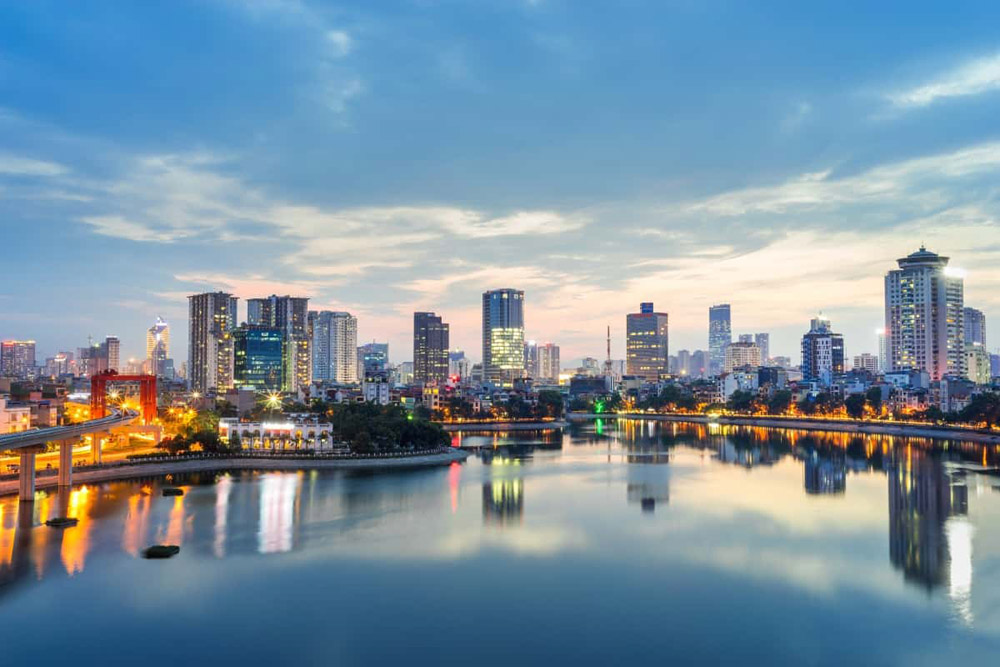
As the heart of the nation, Hanoi is a thousand-year-old capital steeped in heroic history and rich cultural identity. Located in the Red River Delta region of Northern Vietnam, the city offers a unique blend of ancient traditions and vibrant modern life. Hanoi enchants visitors with its poetic lakes, moss-covered old quarters, elegant French-influenced architecture, and a refined culinary scene that leaves a lasting impression on all who visit.
Geography and Climate
Hanoi lies on the right bank of the Da River and spans both sides of the Red River Delta, serving as a central hub connecting northern provinces. Covering an area of 3,358 km², Hanoi features diverse terrain: while fertile plains make up three-quarters of the area, the northern and western parts are hilly, with Ba Vi Peak reaching 1,281 meters in height. The city experiences a tropical monsoon climate with four distinct seasons. Summers (May to August) are hot and humid, while winters (November to January) are cold and damp, often with drizzle. With an average annual temperature of around 24.9°C and abundant rainfall, Hanoi enjoys two mild transitional seasons – spring and autumn – that offer pleasant, comfortable weather.
History – Culture – Spirituality
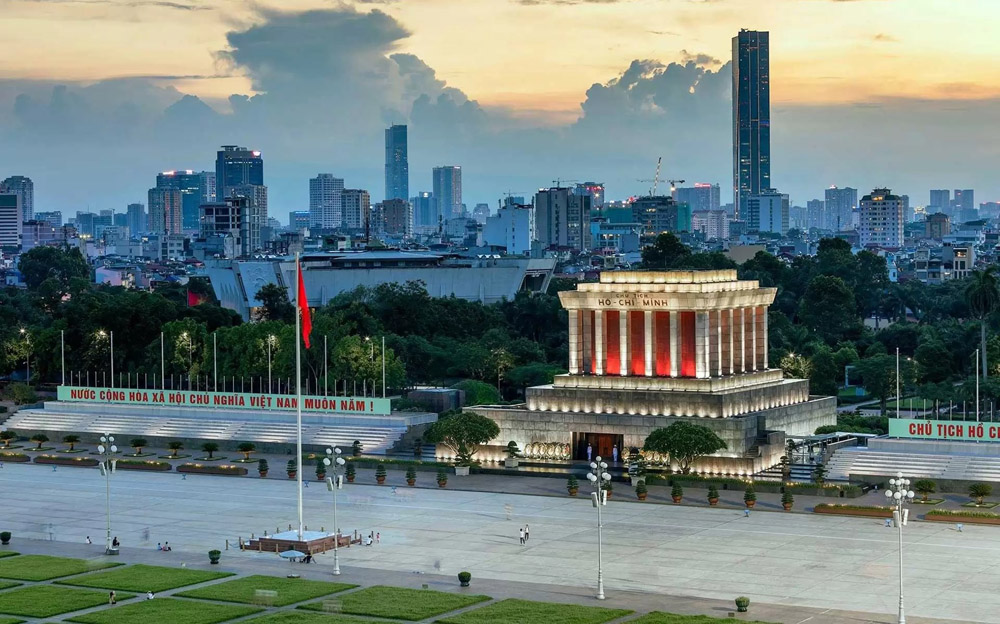
With a history of over 1,000 years, Hanoi is a place where the cultural and heroic spirit of the Vietnamese people has been preserved and passed down. At its heart lies Ba Dinh Square, home to the solemn Ho Chi Minh Mausoleum, a sacred site that every Vietnamese person wishes to visit at least once. Nearby is the Imperial Citadel of Thang Long, a UNESCO World Cultural Heritage Site, and the Temple of Literature – Imperial Academy, a symbol of the nation’s deep-rooted reverence for learning. The spiritual life of Hanoians is also reflected in the city’s many historic temples and pagodas, such as the One Pillar Pagoda, Ngoc Son Temple, and Tay Ho Palace.
Accommodation
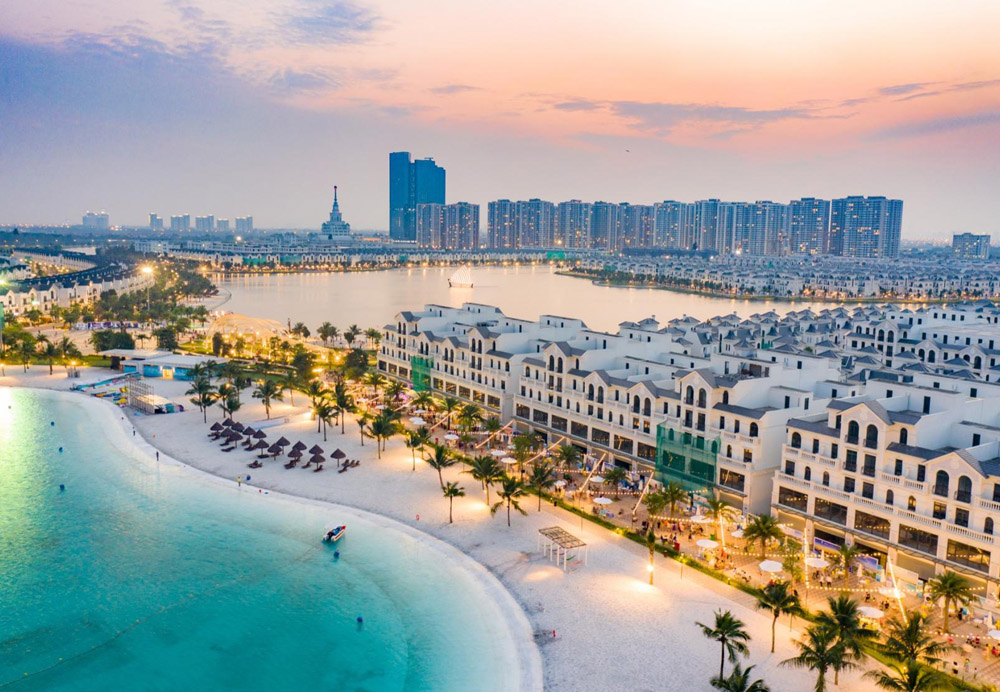
Hanoi offers a wide range of accommodation options, from budget to luxury. The city center (Old Quarter and Hoan Kiem Lake) and the area around West Lake are home to international five-star hotels with elegant French-style architecture and premium services, such as Sofitel Legend Metropole, InterContinental Hanoi Westlake, and JW Marriott. The Old Quarter also features charming boutique hotels and cozy homestays, offering a culturally immersive experience. For those seeking tranquility, resorts in the suburbs like Ba Vi and Soc Son are ideal choices to unwind in nature and enjoy fresh air.
Ecotourism
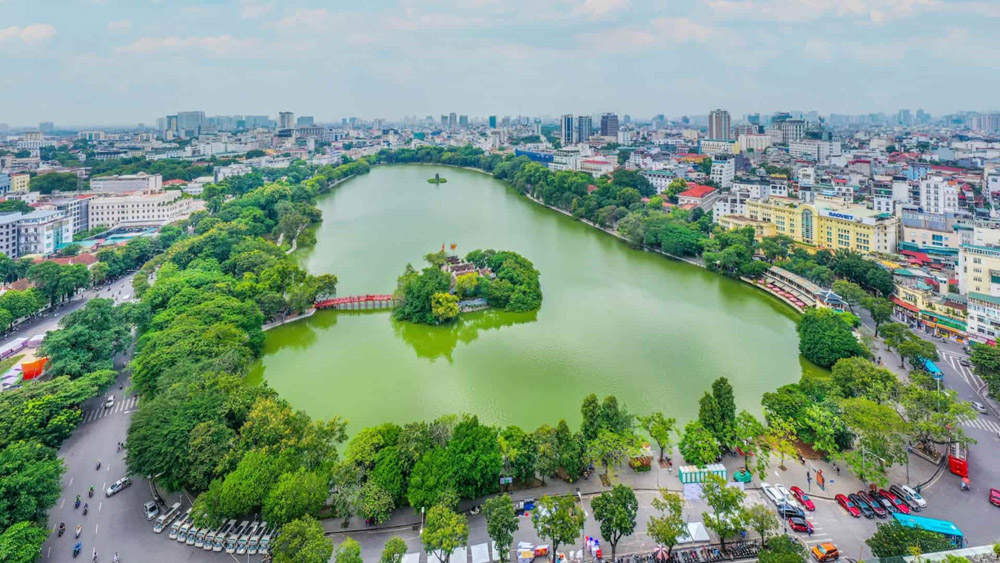
Despite being a bustling city, Hanoi preserves valuable green spaces for nature lovers. Right in the city center, Hoan Kiem Lake and West Lake offer refreshing spaces for walking and relaxing. Further out, Ba Vi National Park is a perfect escape into nature, featuring rich flora and a cool climate. Meanwhile, Duong Lam Ancient Village presents a unique blend of ecological and cultural tourism, where visitors can explore old houses and enjoy the peaceful rhythm of rural life.
Cuisine
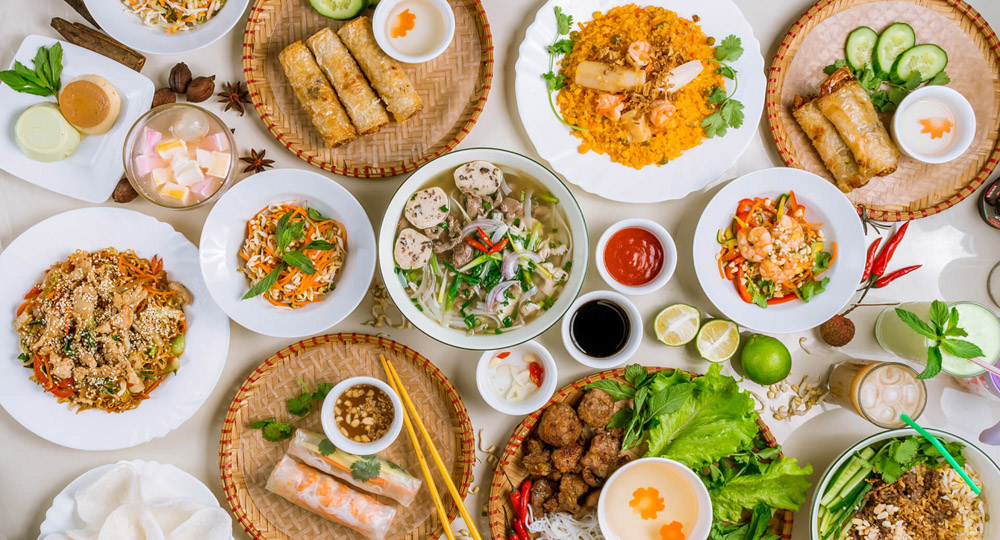
Representing the culinary essence of Northern Vietnam, Hanoi delights visitors with its refined flavors and elegant dishes. Signature foods include beef pho with its signature clear broth, grilled pork with vermicelli (bun cha), as well as cha ca La Vong, bun thang, West Lake shrimp cakes, and Hanoi’s iconic egg coffee – a rich and unique local specialty. Altogether, they create a colorful culinary tapestry of the capital.
Entertainment and Attractions
Hanoi offers a wide variety of entertainment choices. On weekends, the walking street around Hoan Kiem Lake becomes an open-air stage with street music and traditional folk games. Thang Long Water Puppet Theater is the perfect place to enjoy one of Vietnam’s signature folk arts. Families and young people can visit major shopping malls like Vincom, Lotte, or Aeon Mall for shopping, movies, and dining, or cool off at West Lake Water Park during summer. At night, Ta Hien Street comes alive as a popular gathering spot for tourists and locals alike.
Best time to visit
The best time to visit Hanoi is in the fall, from late September to early December. During this season, the weather is dry, cool, and sunny, free from the sudden showers of summer. The city is at its most romantic, with the scent of milkwood blossom, street vendors carrying white daisies, and golden leaves blanketing streets like Phan Dinh Phung and Hoang Dieu. Spring (from February to April) is also a wonderful option, as the weather begins to warm and the harsh winter cold fades away. Nature is in full bloom with fresh buds and vibrant flowers like peach blossoms and ban flowers. Travelers visiting during this period can also experience the sacred atmosphere of Tet (Lunar New Year) and join early-spring festivals held at temples and pagodas.

